

This 10/25GBASE-LR Dual Rate SFP28 MMF 850nm 100m DDM optical transceiver is designed primarily for enterprises and data centers requiring versatile, high-performance fiber optic modules. As a key component offered by leading optical transceiver manufacturers, it supports both 10G and 25G Ethernet speeds, enabling seamless network upgrades. Target users include network engineers and procurement teams focused on enhancing LAN and SAN infrastructures with future-proof devices. By offering backward compatibility and hot-pluggability, this optical transceiver facilitates integration into existing systems managed by optical transceiver suppliers without costly downtime or complex reconfiguration.
Incorporating cutting-edge components such as an 850nm VCSEL transmitter and GaAs PIN photodiode, this optical transceiver module supports data rates up to 25.78 Gbps with maximum cable distances of 100 meters on OM4 multimode fiber and 70 meters on OM3 fiber. The built-in TX and RX clock and data recovery (CDR) features maintain signal integrity against jitter and noise, while digital diagnostic monitoring (DDM) provides real-time feedback on power, temperature, and signal status, streamlining network maintenance. Fully compliant with industry standards including SFP28 MSA and SFF-8432, this device ensures interoperability within multi-vendor optical transceivers environments. Such technical robustness underscores its importance for any optical transceiver manufacturer portfolio.
This optical transceiver excels in demanding environments such as data center racks, high-performance computing clusters, and enterprise backbone networks where high bandwidth and low latency are critical. optical transceiver suppliers benefit from offering this module to clients seeking 10/25G Ethernet capabilities with energy-efficient operation under 1.5W. Its compact form factor supports high-density network installations while meeting rigorous IEC and IEEE standards. By enabling smooth network scaling and simplified deployment, this solution provides measurable value in optimizing system throughput and reducing operational expenses, positioning it as a technically and economically sound choice in the optical transceiver market.
Engineered with a compact SFP28 form factor, this optical transceiver ensures easy integration into modern network infrastructures. Its modular architecture supports hot-swappable operation, allowing minimal disruption during installation or replacement processes, a key consideration for optical transceiver manufacturers designing scalable solutions. The adherence to SFP28 MSA and related industry standards fosters compatibility across devices from various optical transceiver suppliers, facilitating network interoperability. Robust build quality paired with digital diagnostic monitoring enhances system reliability, ensuring the transceiver sustainably meets diverse operational requirements within enterprise and carrier-grade environments.
This dual-rate optical transceiver supports 10G and 25G speeds with automatic rate switching, maximizing network flexibility and return on investment for end users. Its built-in clock and data recovery (CDR) reduces signal jitter, improving data integrity and minimizing error rates consistent with a bit error ratio of 1.00E-12. The low power consumption, typically under 1.5W, contributes to cost-efficient cooling and power management in large-scale deployments. In addition, the supported digital diagnostic monitoring enables proactive maintenance. The combined performance and usability features position this device as a valuable asset offered by optical transceiver manufacturers to their B2B customers.
Every fiber optic transceiver is thoroughly tested by the Miray Assurance Program, which is equipped with the world’s most advanced analytical equipment to ensure that our transceivers meet the industry’s international public protocol standards while still functioning flawlessly in your facility.
Eye Pattern Test: A high-speed oscilloscope is used to capture the optical signal output from a transceiver to form an eye diagram. It is used to assess the quality of the transceiver signal and determine the quality of the signal.
High and Low Temperature Test: The transceiver was placed in a high and low temperature control box to evaluate the signal quality of the transceiver and the degree to which the transceiver device was subjected to stress at temperatures ranging from -40°C to +85°C.
Aging Test: The transceiver is subjected to high and low temperature cycling environments (-40°C to +85°C) for more than 72 hours of continuous power-on operation to screen for early failure modules through accelerated aging and improve product reliability.
BER Test: A pseudo-random code pattern is sent using a bit error recorder (BERT), transmitted and received through a transceiver to quantify the accuracy of the transmission of the optical module at a certain bit error rate.
In hyperscale and enterprise data centers, this optical transceiver plays a critical role in interconnecting racks via multimode fiber links, delivering 10G or 25G Ethernet speeds as required. Its 100-meter reach on OM4 multimode fiber enables flexible cable management within typical rack deployments, while the dual-rate capability allows infrastructure upgrades without complete hardware replacement. optical transceiver suppliers find this module beneficial for customers aiming to improve bandwidth while maintaining interoperability with legacy equipment. The device’s compliance with SFP28 MSA ensures seamless integration with switches and servers, enhancing overall network throughput and operational efficiency in high-availability environments.
This 10/25GBASE-LR transceiver is well-suited for enterprise backbone networks and Storage Area Network (SAN) environments requiring robust, scalable optical connections. The module’s digital diagnostic monitoring capabilities provide essential status reports that facilitate accurate fault diagnosis and minimize downtime risks. Its ability to automatically switch between 10G and 25G Ethernet optimizes resource utilization, supporting gradual network evolution strategies frequently adopted by IT administrators. Many optical transceiver manufacturers recommend this device for upgrading existing fiber infrastructure while ensuring compliance with international standards, strengthening its position as a reliable choice for critical network paths.

Eye Diagram Testing

Bit Error Rate (BER) Test

Optical Spectrum Test
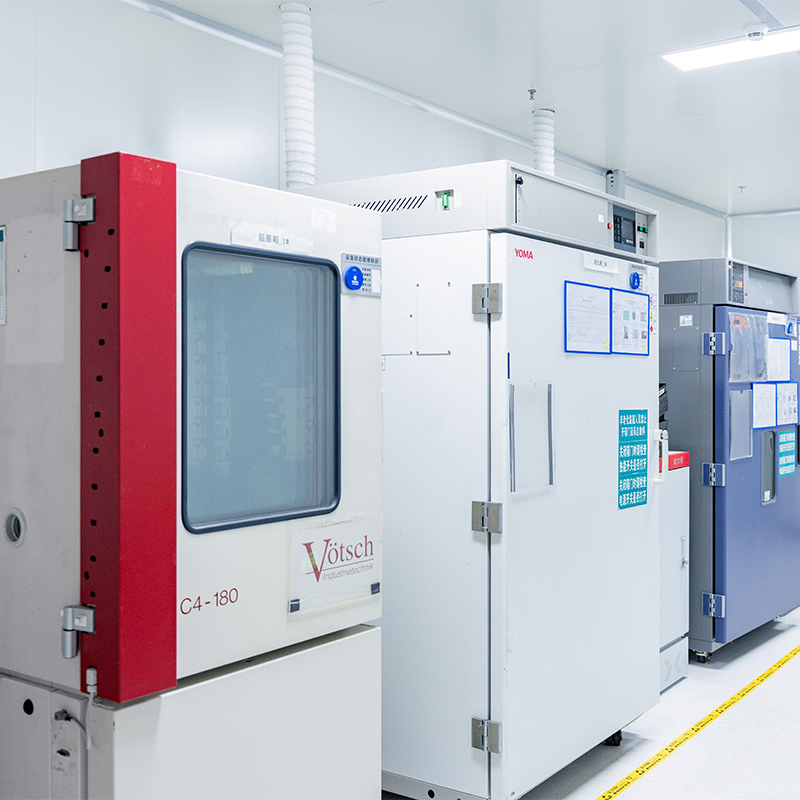
High and Low Temperature Aging

| Model No. | SFP28-25GD-SR | Vendor | Miray |
| Form Factor | SFP28 | Max Data Rate | 25.78Gbps |
| Wavelength | 850nm | Max Cable Distance | 100m@OM4/70m@OM3 at 25G,100m@OM3 at 10G |
| Media | MMF | Connector | Duplex LC |
| Transmitter Type | VCSEL | Receiver Type | PIN |
| TX Power | -6.4~2.4dBm | Receiver Sensitivity | 10G<-11dBm,25G<-10dBm |
| Electrical Modulation | 25.78125Gb/s NRZ | Optical Modulation | 25.78125Gb/s NRZ |
| Power Consumption | ≤1.2W | CBit Error Ratio(BER) | 1.00E-12 |
| Temperature Range | 0 to 70℃(32 to 158°F) | Operating Relative Humidity | 5%~85% |
| CDR | TX and RX | DDM/DOM | Supported |
| Protocols | IEEE 802.3by,SFP28 MSA,SFF-8472,SFF- 8432,CPRI,eCPRI |
Main application environments |
10/25G Gigabit Ethernet Switches,Other Optical Links |


